US-Iran tensions: what changed this weekend and what comes next
US-Iran tensions rose as Iran vowed to keep US warships out of the Gulf and the US cut embassy staff. A clear timeline, oil prices and what to watch next.

Why it matters
A new round of fighting between the US and Iran would hit shipping, flights and oil supplies across the Gulf, and fuel prices well beyond it.
Iran says US warships will never again sail into the Persian Gulf.
US-Iran tensions rose sharply on 24 and 25 October 2026. Iran’s armed forces chief vowed to keep US warships out of the Gulf, the US pulled more diplomats from the Middle East, and Saudi Arabia shot down Houthi missiles aimed at Taif and Yanbu.
President Donald Trump ruled out a strike on Sunday but not later. Iran says its positions will not change either way.
From a Florida rally to a reopened Riyadh airport
- 23 Oct 2026: A US intelligence memo warns of Iranian plots against Americans. Trump tells a Florida rally the US “may do another little Epic Fury,” the name of its first strikes on Iran. Brent crude closes at $116.72.
- 24 Oct 2026: Iran’s armed forces chief, Ali Abdollahi, says US military ships will not be allowed into the Gulf. Saudi Arabia intercepts Houthi missiles fired at Riyadh, Taif and Yanbu.
- 25 Oct 2026: Foreign Minister Abbas Araghchi says a new war would not change Iran’s policies. Saudi Arabia intercepts 10 more ballistic missiles. Trump rules out a strike that day.
Abdollahi’s warning, and the law behind it
“We will not allow US military ships in the Persian Gulf under any circumstances and at any time,” Abdollahi said on Saturday, according to Iranian state television, as reported by AFP and CBS News. He said Trump “will take that dream to his grave.”
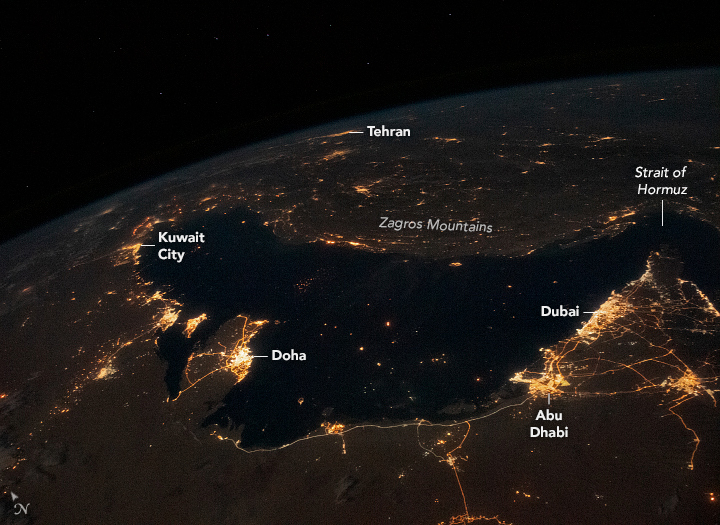
The threat is new in tone but old in substance. Iran signed the 1982 UN Convention on the Law of the Sea but never ratified it, and a 1993 Iranian law requires foreign warships to get permission before entering its waters. The United States, which has not ratified the convention either, holds that warships have a right of “transit passage” through international straits that no coastal state can switch off. Our Strait of Hormuz explainer sets out that dispute and how much oil rides on it.
Since the war began on 28 February, Iran has applied its reading in practice, requiring ships to seek permission to pass and targeting vessels that use a southern route near Oman, AFP reported.
On Sunday, Araghchi told a televised event in Tehran: “Whether there is war or not, our policies remain the same.” Iran wants a return to the memorandum of understanding the two countries agreed in June, which later unraveled as each side accused the other of violations, ABC News (Australia) and Dawn reported.
Iran’s ambassador to Pakistan said Tehran would reopen the strait if Washington lifted its naval blockade of Iranian ports, according to CBS News.
Barrack’s “absolutely” and Trump’s two answers
On Friday, the US ambassador to Turkey, Tom Barrack, was asked whether a strike could come within days. “Could there be a strike this weekend? Absolutely,” he said, CBS News reported.
On Sunday, Trump told Fox News: “Do I make a deal with them, or do I finish them off? That’s the only question.” Asked later about a strike that day, he said: “There will not be a strike,” Anadolu Agency and A News reported.
Trump says the United States now controls the Strait of Hormuz, and he has rejected Iran’s demand to lift the blockade first.
The two positions mirror each other. Washington wants shipping restored before it eases pressure on Iranian ports; Tehran wants the blockade gone before it lets shipping move freely. The June memorandum tried to settle that order of steps: the US military announced on 18 June that it had lifted its blockade. The deal unraveled as each side accused the other of violations, and the counter-blockade returned.
A memo that emptied embassy desks
A memo dated 23 October from Director of National Intelligence Jay Clayton to Secretary of State Marco Rubio said Iranian plotting against US citizens had reached “advanced stages,” Axios first reported and NBC News confirmed.
The State Department has ordered further staff cuts at its embassies in Lebanon, the UAE, Qatar and Jordan, which stay open. The US embassy in Saudi Arabia is on “ordered departure,” meaning non-emergency staff must leave, NBC News and CBS News reported. The Wall Street Journal described a “sudden exodus” of personnel from embassies and military bases, and NBC News said the military had been quietly reducing troops at bases in the region.
The US also updated travel advisories for 13 Middle Eastern countries, warning that Houthi attacks on Saudi Arabia “have the potential to escalate rapidly beyond that immediate area,” The National reported.
Missiles over Taif, Yanbu and the Makkah region
The Saudi-led coalition in Yemen said on Saturday it had intercepted two Houthi missiles fired at Taif and Yanbu, after destroying a missile aimed at Riyadh and a drone over the Eastern Province, Kuwait Times and Asharq Al-Awsat reported.
Debris from two intercepted missiles fell at four sites in the Makkah region with no injuries reported, Saudi civil defense said. The Houthis denied aiming at the holy cities and said they target oil sites and military bases.
Of the weekend’s targets, Yanbu matters most to the oil market. It is the Red Sea end of Saudi Arabia’s East-West pipeline, which can carry up to 5 million barrels a day and has let the kingdom keep exporting much of its crude while Hormuz is restricted, according to the EIA and Kuwait Times. A successful strike there would hit the main route around the strait.
On Sunday, the coalition said it destroyed 10 ballistic missiles aimed at southern Saudi Arabia, and shrapnel injured two people, The National reported. Saudi Arabia has led a coalition against the Iran-aligned Houthis in Yemen since 2015. A 2022 truce largely held until this year, when the fighting flared again as the wider war spread.
Brent at $116 and a threatened airport
| Indicator | Latest figure | Date |
|---|---|---|
| Brent crude (US dollars a barrel) | 116.72, highest close since April | 23 Oct 2026 |
| US average gasoline (US dollars a gallon) | 4.27 | 22 Oct 2026 |
| Countries in updated US travel advisories | 13 | 24 Oct 2026 |
| Deaths in Houthi attack on Riyadh airport earlier in October | 13 | Oct 2026 |
Source: CNBC, AAA, The National, Kuwait Times.
AAA says US gasoline prices this autumn are the highest on record for the time of year. For travelers, Riyadh’s King Khalid International Airport reopened terminals 1 and 2 on Sunday after more than two weeks shut, but Houthi spokesman Yahya Saree called it a “military target.”
What happens next: Trump has not set a date for any decision. CBS News reported that he has said any strikes would wait until after the US midterm elections on 3 November. Iran says the strait reopens only if the US blockade ends, and Washington has refused.